Tailored Science Driven Field Expeditions

Scientific field expeditions for research, training, and conservation

Structured scientific expeditions designed to study living organisms and their interaction with the environment in natural settings. These expeditions bring together researchers, students, conservationists, and field professionals for hands-on investigations in wildlife biology, ecology, veterinary and medical sciences, and One Health.

Hands-on fieldwork

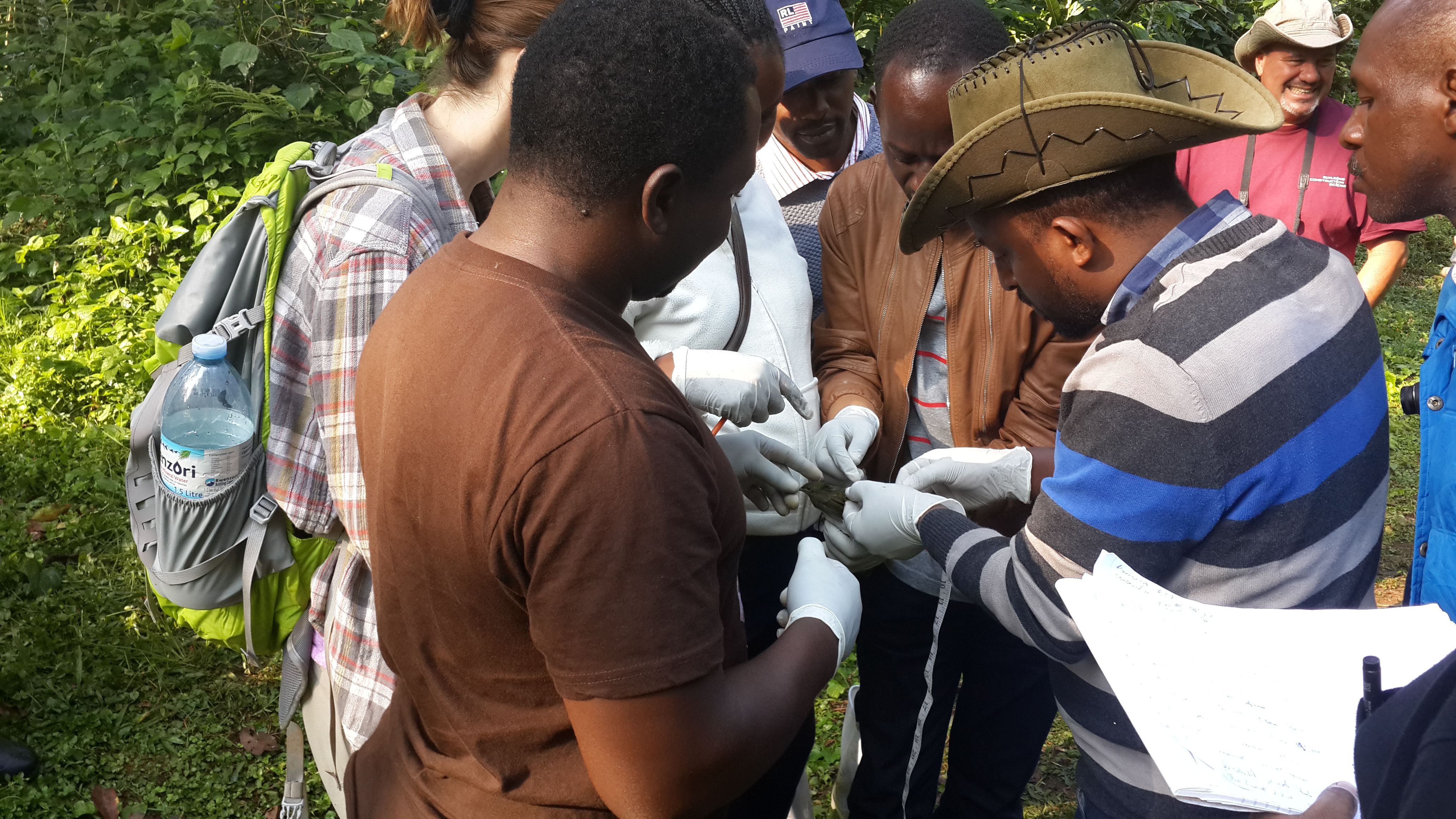
Participants engage in biodiversity surveys, wildlife monitoring, ecological assessments, disease surveillance, habitat evaluation, and scientific data collection.

10

Key activity areas

One

Health perspective

Overview

Field research that connects science and the natural world

Modern biological field research may also use advanced tools like GPS and satellite tracking, camera trapping, molecular diagnostics, and ecological sampling to understand how ecosystems function and how wildlife health changes over time.

In East Africa, these expeditions offer unique opportunities to study savannahs, forests, wetlands, and mountain habitats while contributing valuable scientific data for conservation planning, wildlife management, and sustainable use of natural resources.

Biological field expeditions are also a strong training platform for students and professionals, helping them build hands-on skills, ask scientific questions, and better understand the importance of protecting species and habitats.

Expedition themes

Ecology and biodiversity

Study ecosystem dynamics, habitats, and species richness in natural settings.

Wildlife health and disease

Link field observations with disease surveillance, diagnostics, and One Health thinking.

Conservation planning

Generate practical information that supports wildlife management and habitat protection.

Activities for Tailored Science Driven Field Expeditions

Activities may include one or several practical sessions depending on the expedition design, location, and season.

Biodiversity Surveys

Conduct field surveys to identify and document plant, bird, and animal species using standard ecological sampling methods.

Wildlife Monitoring and Tracking

Participate in monitoring wildlife populations through direct observation, camera trapping, GPS tracking, and ecological field techniques.

Habitat and Ecosystem Assessments

Study habitat characteristics, vegetation types, and ecological interactions to understand ecosystem dynamics and biodiversity conservation.

Field Data Collection and Analysis

Learn practical methods for collecting, recording, and analysing biological data such as species abundance, behaviour, and distribution.

Disease Surveillance

Assist in monitoring wildlife health through observation, sample collection, and basic field diagnostics for zoonotic and emerging diseases.

Ecological Sampling Techniques

Practise transect walks, quadrat sampling, and environmental sampling methods for ecological research.

Species Identification Training

Develop skills in identifying wildlife species, tracks, signs, and plant species with guidance from experienced field scientists.

Conservation Research Projects

Participate in short field research projects focused on wildlife conservation, ecosystem management, and biodiversity protection.

Scientific Documentation

Record field observations through research notes, photography, mapping, and preparation of basic field reports.

Community and Conservation Engagement

Interact with local communities and conservation practitioners to understand human-wildlife interactions and sustainable resource management.

Biological research tools and fieldwork
Methods and Tools

Modern techniques in the field

Biological field research increasingly combines classical ecological observation with modern research tools to improve accuracy, strengthen field decisions, and generate useful conservation data.

Tracking technology

GPS and satellite-based systems for movement and distribution data.

Camera trapping

Non-invasive wildlife monitoring for elusive and nocturnal species.

Molecular diagnostics

Field-linked sampling that supports wildlife health and disease studies.

Ecological sampling

Transects, quadrats, and environmental sampling for biodiversity data.

Why East Africa works so well for field research

Diverse ecosystems create unusual opportunities for comparative field learning, conservation science, and applied wildlife research.

Savannahs

Open systems ideal for visibility, movement studies, and large-mammal ecology.

Forests

Rich biodiversity, primate studies, and complex habitat interactions.

Wetlands

Important for birds, aquatic ecology, ecosystem health, and resource-use studies.

Mountain Habitats

Useful for altitudinal comparisons, endemic species, and habitat resilience.

Experiential Tourism in Uganda and East Africa

Unique wildlife encounters through technology-assisted tracking and conservation-linked travel experiences.

Photography Expeditions

Detour inside national parks for unparalleled wildlife photography opportunities. Our experts help capture stunning images while ensuring minimal disturbance to animals.

Research Opportunities

Participate in cutting-edge wildlife research projects, contribute to field data collection, and support conservation medicine and biodiversity science.

Community Education

Deliver educational programs to local communities about wildlife conservation, animal health, and sustainable coexistence practices.

Simple downloadable summaries are included for quick sharing and future expansion.

Field Archive

Science Driven Field Work Gallery

Tap any frame to view the image at full display size

Interested in joining Tailored Science Driven Field Expeditions?

This programme is designed for participants who want structured scientific exposure, practical field skills, and a stronger understanding of biodiversity, wildlife health, and ecosystem conservation.

wildmeduganda@gmail.com
+256 740 205146 / +256 777 370494

What participants gain

  • Hands-on ecological and wildlife field methods.
  • Experience with research documentation and applied conservation science.
  • Greater understanding of biodiversity protection across East African ecosystems.