01
Disease Surveillance in Wildlife and Livestock
Conduct surveillance for zoonotic and emerging diseases at the wildlife–livestock–human interface using a One Health approach.
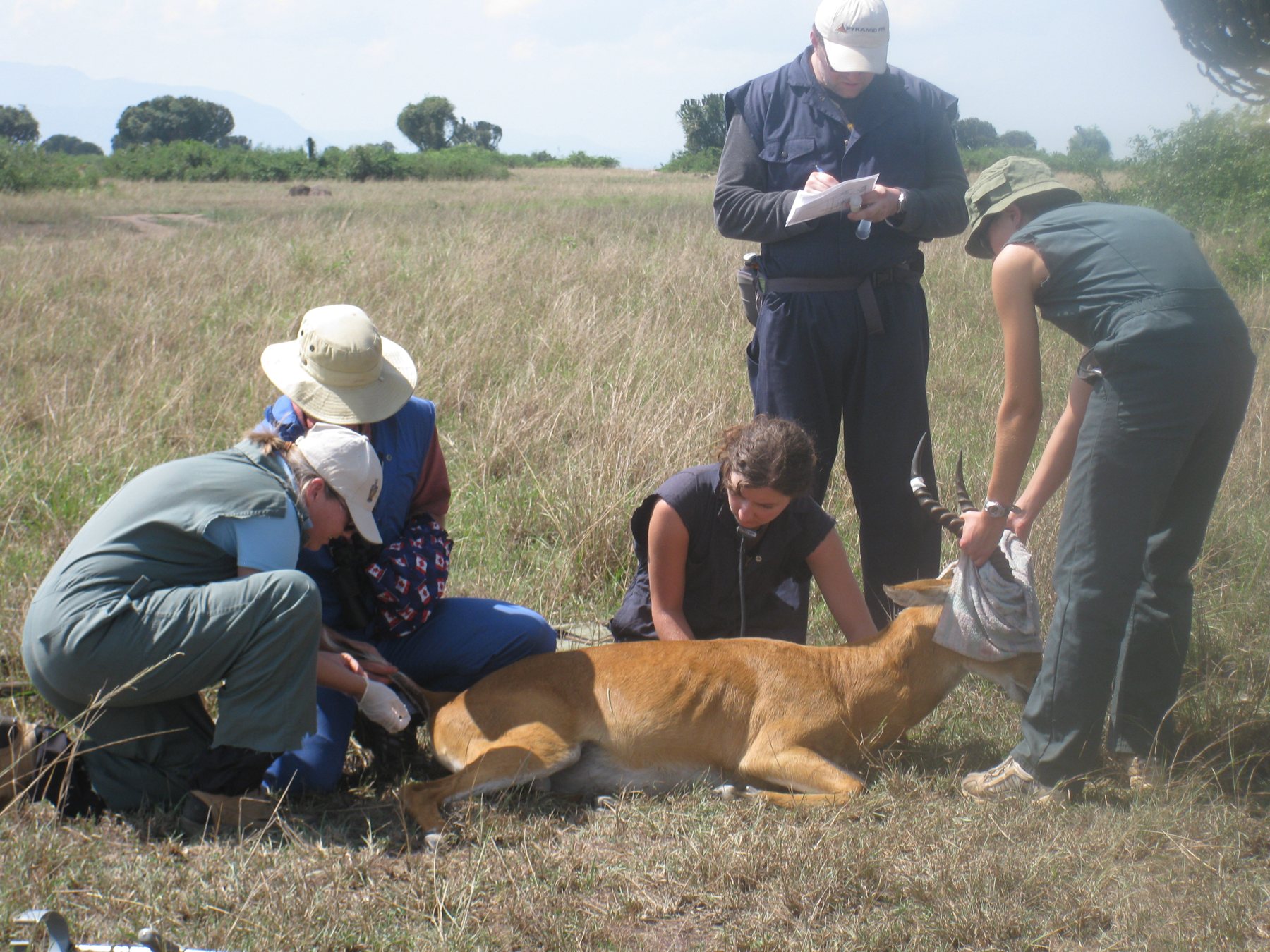
Work with wildlife and domestic-animal veterinarians to explore medicine, conservation science, One Health, and animal management in East Africa.
Programme context
Specialist programmes combine wildlife health management with conservation science and domestic-animal health in communities adjacent to protected areas.
Veterinarians, researchers, students, and practitioners participate in health monitoring, disease surveillance, capture and translocation support, and wildlife rehabilitation in parks, reserves, and neighbouring communities.
Signature programmes
Scientific learning, field research, and conservation action across Uganda and East Africa’s most remarkable ecosystems.
Conduct surveillance for zoonotic and emerging diseases at the wildlife–livestock–human interface using a One Health approach.
Gain practical exposure to principles linking wildlife health, ecosystem health, and biodiversity protection.
Join Bwindi conservation teams to monitor mountain gorilla health and behaviour and learn disease prevention.
Track and observe chimpanzees in Kibale while learning primate ecology, health monitoring, and long-term research.
Support health checks, habitat assessment, and anti-poaching learning in Ajai, Kidepo, and Ziwa.
Track lions and leopards while learning carnivore ecology, satellite tracking, and predator conservation.
Participate in rescue and rehabilitation of injured cranes, antelopes, and other species before release.
Explore wildlife, livestock, and human health connections near protected areas and address zoonotic risks.
Use camera traps, GPS devices, and ecological monitoring technologies to study populations and ecosystem health.
Signature 14-day training
Designed for veterinary students and veterinarians, the Field Techniques for Zoo and Wildlife Capture course provides hands-on training and can be tailored to group objectives.
Learn safe and effective wildlife capture techniques
Hands-on field work with African wildlife species
Tailored to your group’s specific learning objectives
Methods for administering immobilising drugs
Safety measures for animals and handlers
Specialised approaches for different African wildlife
Correct procedures for animal monitoring and recovery
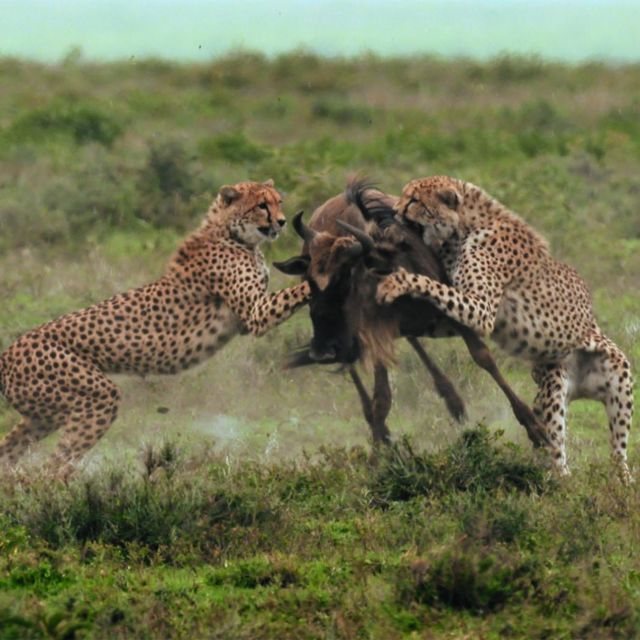
Experiential tourism
Technology-assisted tracking creates unique wildlife encounters while supporting carnivore research and conservation.
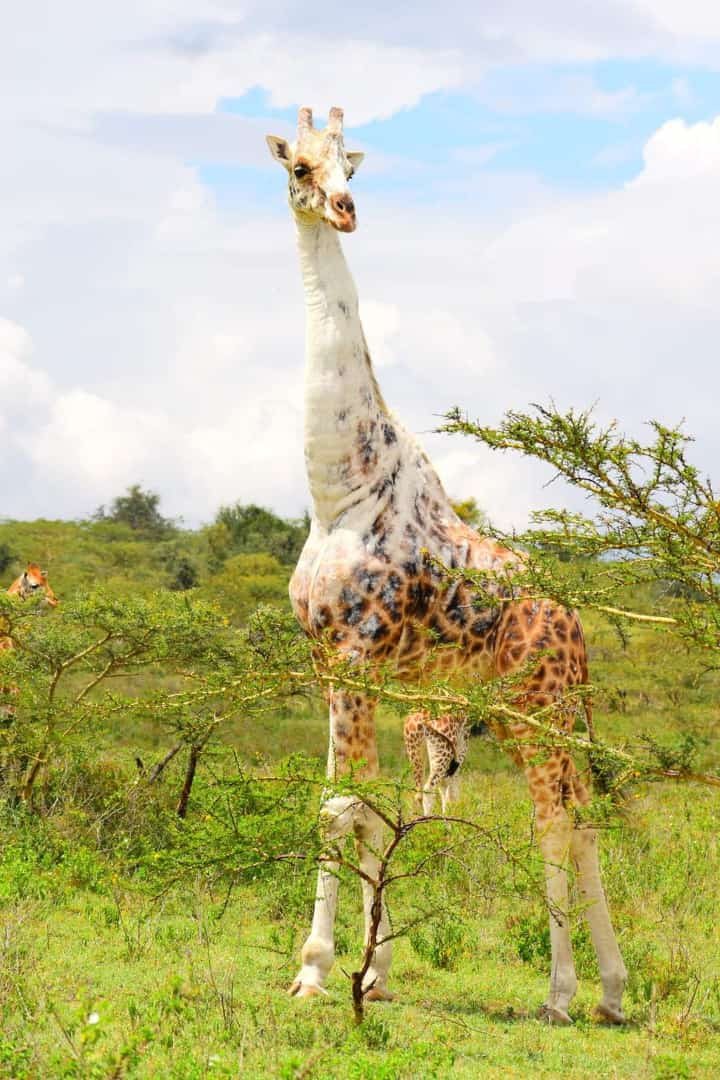
Experiential tourism
Capture wildlife with expert guidance while maintaining responsible distances and minimal disturbance.
Field projects
Field projects connect research design, monitoring, animal health, conservation priorities, and partner organisations across East Africa.
Support project planning, field data collection, wildlife health investigations, monitoring, and scientific documentation.
Projects may span primate health, carnivore ecology, livestock–wildlife interfaces, aquatic health, rescue, rehabilitation, and conservation technology.
Field archive
Conservation action
Support routine health checks, disease surveillance, and population monitoring.
Learn how veterinary evidence and field monitoring contribute to wildlife protection.
Collaborate on practical projects with conservation and research teams.
Support field-based animal health and community veterinary activities.
Share knowledge about wildlife conservation, animal health, and coexistence.
Work with conservation organisations, research institutions, and government agencies.
Participation guidance
Get started
Contact us to learn more about veterinary and conservation programmes.
Phone support
+256 740 205146
+256 777 370494
Monday–Saturday, 9:00 AM–6:00 PM EAT
Email support
info@wildmedug.com
Response within 24 hours
Office location
Plot 626, Seguku Katale, P.O. Box 10296
Kampala, Uganda · By appointment only
Quick response guarantee
All programme inquiries receive a response within 24 hours. For urgent matters, call our direct line.